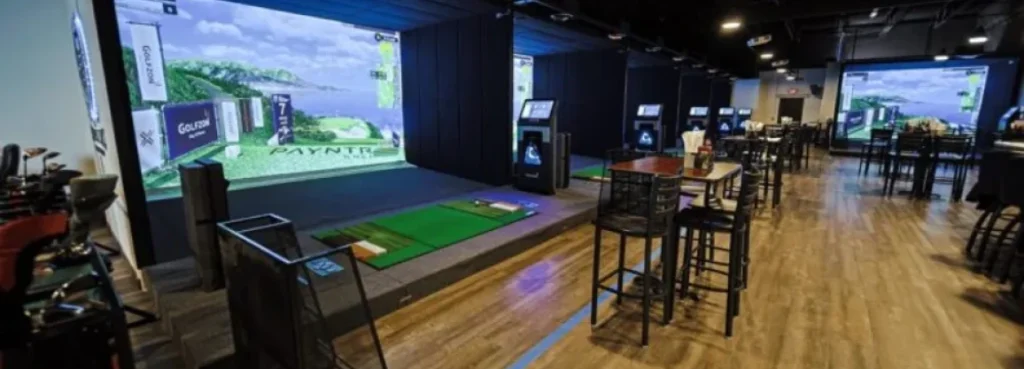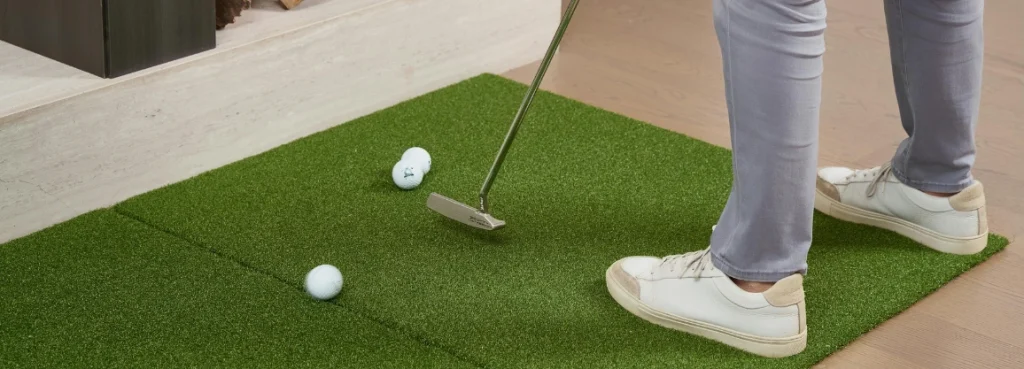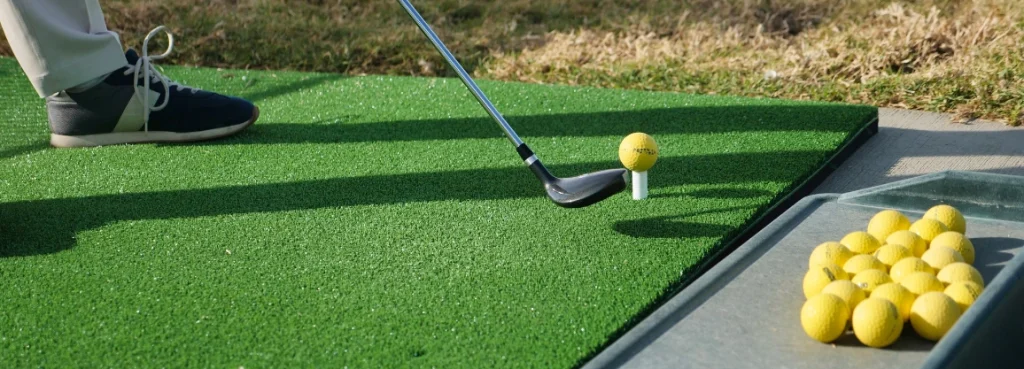
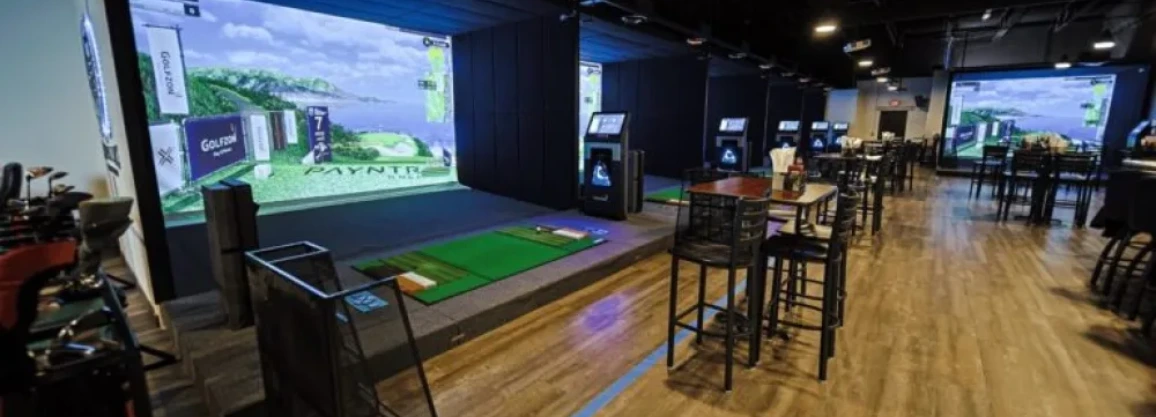
If you walk into a well-run sports bar these days, there is a reasonable chance that you will find something unexpected next to the pool table, and what you’ll experience is a private bay where guests can tee off between rounds of drinks. A golf simulator in such a space is one of the most effective ways a hospitality venue can differentiate itself today. In sports bars and restaurants, it keeps guests on-site longer and generates revenue from square footage that would otherwise sit underused on a Wednesday afternoon.
Golf simulators are changing how bars, restaurants, and indoor golf entertainment venues think about their physical space, and the numbers behind these installations are compelling enough that the trend is accelerating, not slowing. If you are someone who is looking to upgrade a golf simulator with bar or restaurant, this blog will equip you with all the information to do so.
Why Golf Simulators are Growing So Quickly: The Customer & Owner Advantage
The traditional sports bar formula, like including big screens, beer, & maybe a pool table, has been under pressure for years. This is primarily because guests have more options, attention spans are shorter, & food-and-beverage margins alone rarely justify the overhead of a large commercial space. Operators are actively looking for entertainment concepts that generate a second revenue stream, extend the average visit duration, and give people a reason to book in advance rather than just show up. Golf simulator sports bar formats answer all three of those problems at once, and the concept scales from a single-bay installation in a neighborhood bar to a multi-bay dedicated simulator bar with its own event calendar.
Key customer benefits of restaurants and sports bar golf simulators include:
- Interactive entertainment rather than passive viewing
- Friendly competition among groups
- Suitable for golfers and non-golfers alike
- Longer and more enjoyable visits
- A unique experience worth sharing on social media
Why Golf Simulators for Sports Bars and Restaurants are So Appealing?
A bar golf concept works in hospitality contexts for reasons that go beyond novelty. The core appeal is that golf simulators solve several entertainment problems simultaneously. They are weather-independent, accessible, genuinely social, and completely compatible with the food and drink model that underpins how hospitality venues make money.
- Year-round, weather-proof entertainment: Unlike a patio, a rooftop terrace, or an outdoor activity, golf bars with a simulator run identically in January as they do in July. There is no slow season tied to weather, which is one of the most significant advantages over any outdoor entertainment concept.
- Suitable for all skill levels: This is what separates simulators from most sports-based entertainment. A guest who has never held a club can play a round, work through an arcade-style challenge, or participate in a group game without any prior experience.
- Perfect for social groups: A simulator bay accommodates friends catching up over drinks, families with mixed-age members, and corporate groups looking for a team activity that does not require athletic ability or extensive coordination. The game creates natural conversation and extends time on-site in a way that passive entertainment like watching a match on a screen does not.
- Fully compatible with food and beverage service: Unlike bowling, paddock-style activities, or other active entertainment concepts, guests at a simulator bay are stationary, comfortable, and in an ideal position to order and consume food and drinks throughout the session. This is the most financially significant factor for venue operators.
How Golf Simulators for Sports Bars and Restaurants Increase Revenue?
Adding a restaurant golf simulator, or sports bar entertainment bay is not just an amenity upgrade; it restructures how a venue generates revenue. The table below maps the key revenue streams before the detailed breakdowns.
| Revenue Stream | How It Works | Revenue Type |
| Simulator session bookings | Hourly bay rental at a fixed rate per group | Direct, consistent |
| Food and beverage uplift | Extended stays and captive guests increase F&B spend | Indirect, high-margin |
| Private group bookings | Corporate, birthday, and celebration events | High-value, bookable |
| League play | Weekly recurring players on a scheduled program | Recurring, predictable |
| Off-peak traffic | Mid-week, daytime, and shoulder-period guests | Fills otherwise dead hours |
| Seasonal stability | No weather dependency removes revenue valleys | Year-round |
Simulator Session Revenue
Hourly bay bookings typically range per hour depending on market and venue positioning. A single bay running four to six hours per day generates meaningful incremental revenue before any food and drink is factored in. And for high-end golf simulator venues, it is essential that they also choose quality golf simulators like Golfzon Vision SP Plus that provide an ultimate experience to the visitors as well.
Increased Food and Beverage Spending
Guests using a simulator bay stay on average significantly longer than guests without a structured activity. Longer dwell time directly correlates with higher per-head food and beverage spend. Therefore, installing a commercial golf simulator creates the reason to stay, and the bar captures the benefit.
Group Events and Private Bookings
Golf simulator entertainment venues that offer private bay bookings for corporate outings, birthday celebrations, and client entertainment events access a high-value segment of the hospitality market. Corporate groups in particular are willing to pay a premium for a private, branded experience that is more memorable than a standard dinner reservation.
League Play
Organizing weekly or monthly golf simulator leagues on simulators like Golfzon Vision SP creates a recurring revenue base from committed, returning guests. League players become regulars, bring friends, and provide the kind of reliable mid-week traffic that most hospitality venues find difficult to generate organically.
Off-Peak Traffic Generation
Installing commercial or residential golf simulators generates demand during hours when traditional bar and restaurant concepts struggle, weekday afternoons, early evenings, and winter months. This is arguably their most significant structural benefit for operators managing a high fixed-cost venue.
Seasonal Revenue Stability
In markets where hospitality revenue dips sharply in winter, a golf simulator bar provides a reason for guests to book during the low season. Year-round demand smooths revenue curves in a way that most entertainment add-ons simply cannot match.
Key Considerations Before Installing a Golf Simulator in Sports Bars
A golf simulator installation for businesses requires more upfront planning than most other entertainment additions. Getting the fundamentals right before committing significantly affects both the guest experience and the return on investment. Thus, here are some key considerations you must look at before installing a golf simulator.
- Available space: Knowing how much space do you need for a golf simulator before buying or installing is necessary. A minimum bay of approximately 15 feet deep, 12 feet wide, and 10 feet ceiling height is required for a functional full-swing setup. More space improves the experience and allows for comfortable seating within the bay.
- Ceiling height: This is the most commonly underestimated constraint. A ceiling below 9 feet makes a full driver swing impractical for most players and significantly limits the guest experience.
- Traffic flow: Simulator bays work best when they are separated from the main dining or bar area, close enough for easy service, but quiet enough that ambient noise does not disrupt the session.
- ROI expectations: Having a fair idea of how much do golf simulators cost, and what the ROI would be, is essential to consider before installing a simulator. A single-bay installation in a mid-sized venue can typically recover its investment within 12 to 24 months. Multi-bay setups generate faster returns but require proportionally more space and initial capital.
- Food and beverage service: Plan for how service will reach a bay mid-session. A well-positioned service window, a QR code ordering system, or a dedicated server assigned to the bay area makes the F&B integration seamless rather than an afterthought.
- Software and maintenance: Starting a commercial golf simulator business requires ongoing software updates, regular calibration, and a maintenance relationship with the supplier. Choose a platform with documented commercial support, not a consumer product adapted for business use.
Golf simulator bar golf ideas to consider when designing
- Private Bay Layouts
- Lounge-Style Seating
- Clear Service Access
- Sports Viewing Integration
- Flexible Event Spaces
- Premium Lighting and Branding
Conclusion
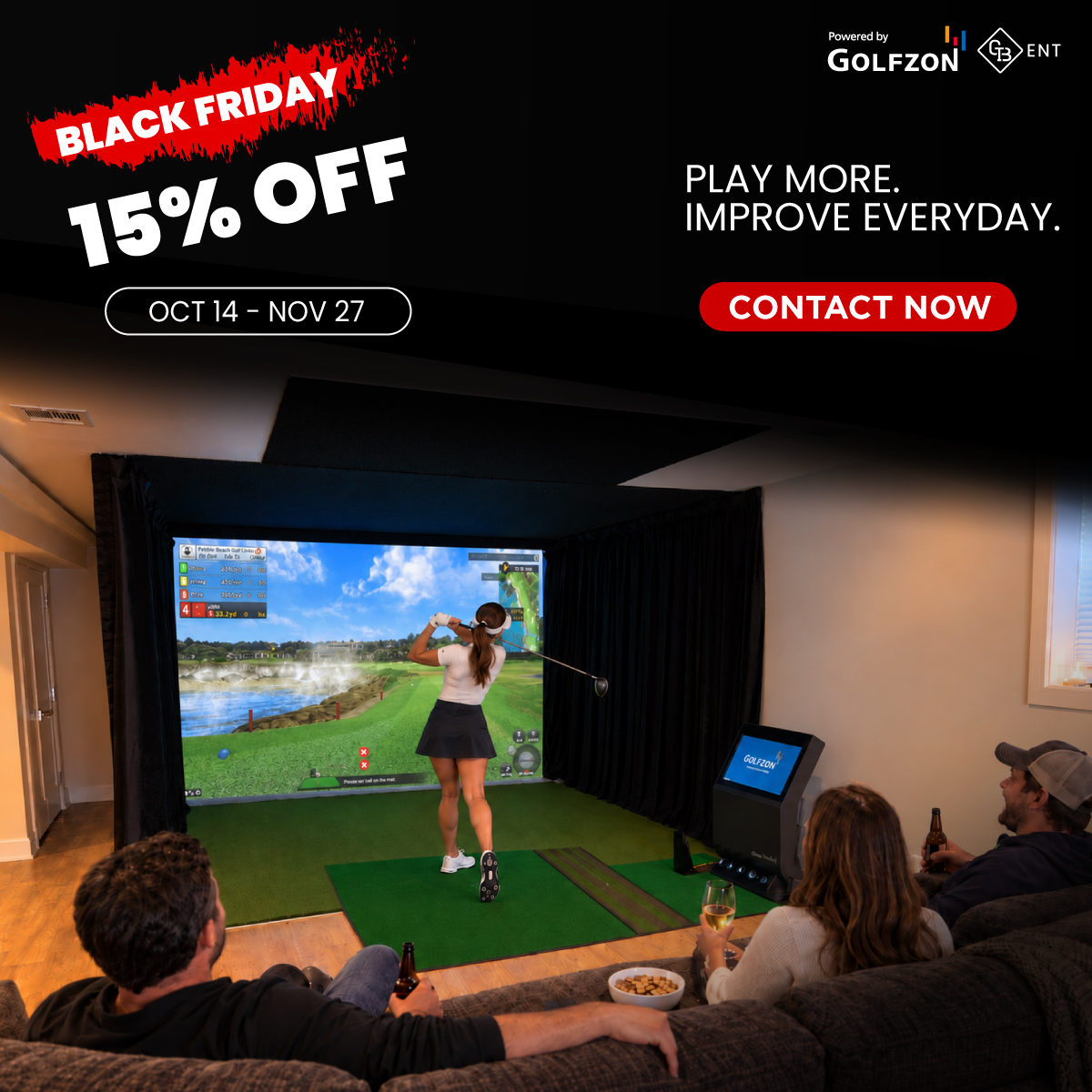
The move toward golf simulator for restaurants and sports bars is not a passing trend; it reflects a structural shift in how hospitality venues need to compete. Guests want an experience worth booking, not just a place to sit. Operators need revenue streams that do not depend entirely on food and drink margins or good weather. A well-installed simulator bay addresses both, with the added benefit of being genuinely enjoyable for the people using it. If you’re considering adding a simulator to your venue, GTBEnt offers commercial-grade systems and the expertise to help you choose the right configuration for your space and business model. Contact us now and get your hands on the best golf simulators for your venues today.